Buildings Engineered for Heavy Operations
Commercial Construction and Build-Outs in Lake Jackson for warehouses, storage units, and operational facilities built to handle daily demands
Big Tex Steel handles ground-up commercial construction for warehouses, storage units, and shop buildings designed to support industrial and agricultural operations in Lake Jackson and Brazoria County. These structures function as working environments where equipment moves daily, inventory shifts constantly, and climate control systems run year-round. The construction process accounts for load-bearing requirements, access points sized for material handling equipment, and floor systems built to resist impact from heavy machinery.
Commercial build-outs differ from standard construction because every structural decision directly affects operational efficiency—door placement determines workflow patterns, ceiling height limits equipment options, and foundation design controls long-term stability under constant load. In coastal areas like Brazoria County, moisture resistance and corrosion protection become foundational considerations rather than optional upgrades, particularly for facilities storing metal inventory or housing sensitive equipment.
Schedule a site consultation to review property conditions and operational requirements for your commercial project.
How Full Construction Process Delivers Functional Space
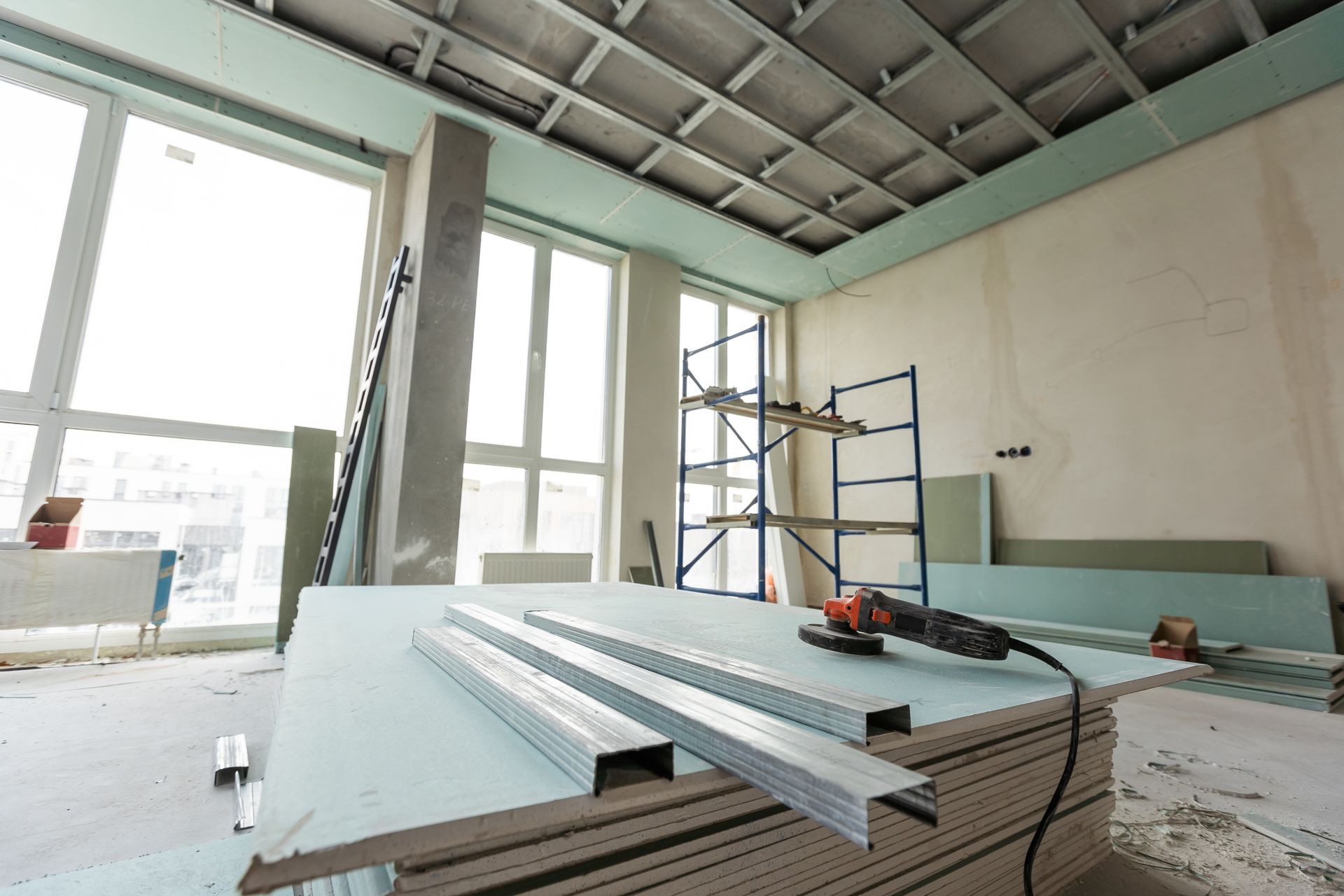
The construction process begins with site evaluation to identify drainage patterns, soil load capacity, and access routes for material delivery and future operations. Foundation design adapts to intended use—storage facilities handling forklift traffic require thicker slabs with reinforced edges, while agricultural shops need wide access bays and clear-span interiors without support columns obstructing equipment movement. Structural steel framing allows for customized bay widths and ceiling heights that match your specific storage or production needs.
Once the building is operational, you notice immediate differences compared to adapted spaces: floors remain level under repeated equipment passes, door systems open wide enough for actual load sizes without maneuvering delays, and roof systems shed water away from entry points rather than creating puddles near access areas. Climate-controlled facilities maintain consistent interior conditions because insulation and ventilation were designed into the structure rather than added afterward.
Tenant improvements for existing commercial spaces involve different considerations than new construction—electrical capacity must accommodate added equipment loads, HVAC modifications require structural support for ductwork routing, and partition walls need engineering review when they intersect with load-bearing components. Projects in industrial zones may also require compliance with specific zoning standards for setbacks, fire suppression access, and material storage visibility.
Questions Before Planning Your Build-Out
Commercial construction decisions affect daily operations for years, and property owners in Lake Jackson typically want clarity on structural options, timeline factors, and how design choices impact long-term maintenance requirements.
What determines the right foundation thickness for a warehouse facility?
Foundation design depends on anticipated floor loading from equipment traffic, storage rack weight distribution, and soil bearing capacity at your specific site—facilities using heavy forklifts or storing dense materials require thicker slabs with additional rebar reinforcement compared to light storage applications.
How does clear-span construction differ from column-supported buildings?
Clear-span structures eliminate interior support columns by using engineered trusses or rigid frames, which allows maximum flexibility for equipment placement and workflow design but requires larger structural members and stronger perimeter foundations.
When should site preparation begin relative to construction start dates?
Site work typically begins weeks before construction to allow graded surfaces to settle and drainage systems to be tested through at least one rain event, ensuring stable conditions before foundation work starts.
Why do coastal locations like Lake Jackson require additional corrosion protection?
Salt-laden air accelerates oxidation on exposed metal components, so structures in Brazoria County benefit from galvanized fasteners, corrosion-resistant coatings on steel framing, and moisture barriers that prevent condensation buildup in wall assemblies.
What ongoing maintenance should commercial building owners expect?
Roof membrane inspections should occur annually to catch punctures or seam separation before leaks develop, door track alignment needs periodic adjustment as foundations settle, and exterior metal surfaces may require touch-up coating in high-wear areas where equipment contacts the building.
Big Tex Steel provides detailed project assessments that account for operational requirements and site-specific conditions. Contact our team at (737) 247-1099 to discuss construction specifications for your commercial facility.