
Property Preparation That Handles Heavy Vegetation
Land Clearing and Demolition in Lake Jackson for properties with overgrown brush, standing structures, or debris interfering with construction timelines
Overgrown lots and deteriorating structures block access, prevent accurate site assessment, and delay construction schedules. Big Tex Steel handles land clearing and demolition in Lake Jackson for property owners preparing sites for new builds, subdivision development, or commercial projects. Clearing removes brush, standing timber, and concrete foundations so grading equipment can access the entire footprint without obstruction.
Land clearing involves removing vegetation down to root level, extracting stumps that interfere with foundation placement, and hauling debris off-site. Demolition addresses existing buildings, slabs, driveways, and abandoned structures that occupy the build area. Both processes expose soil conditions and drainage patterns that determine how the property needs to be graded before construction begins.
Schedule a site evaluation to identify clearing requirements and debris removal logistics.
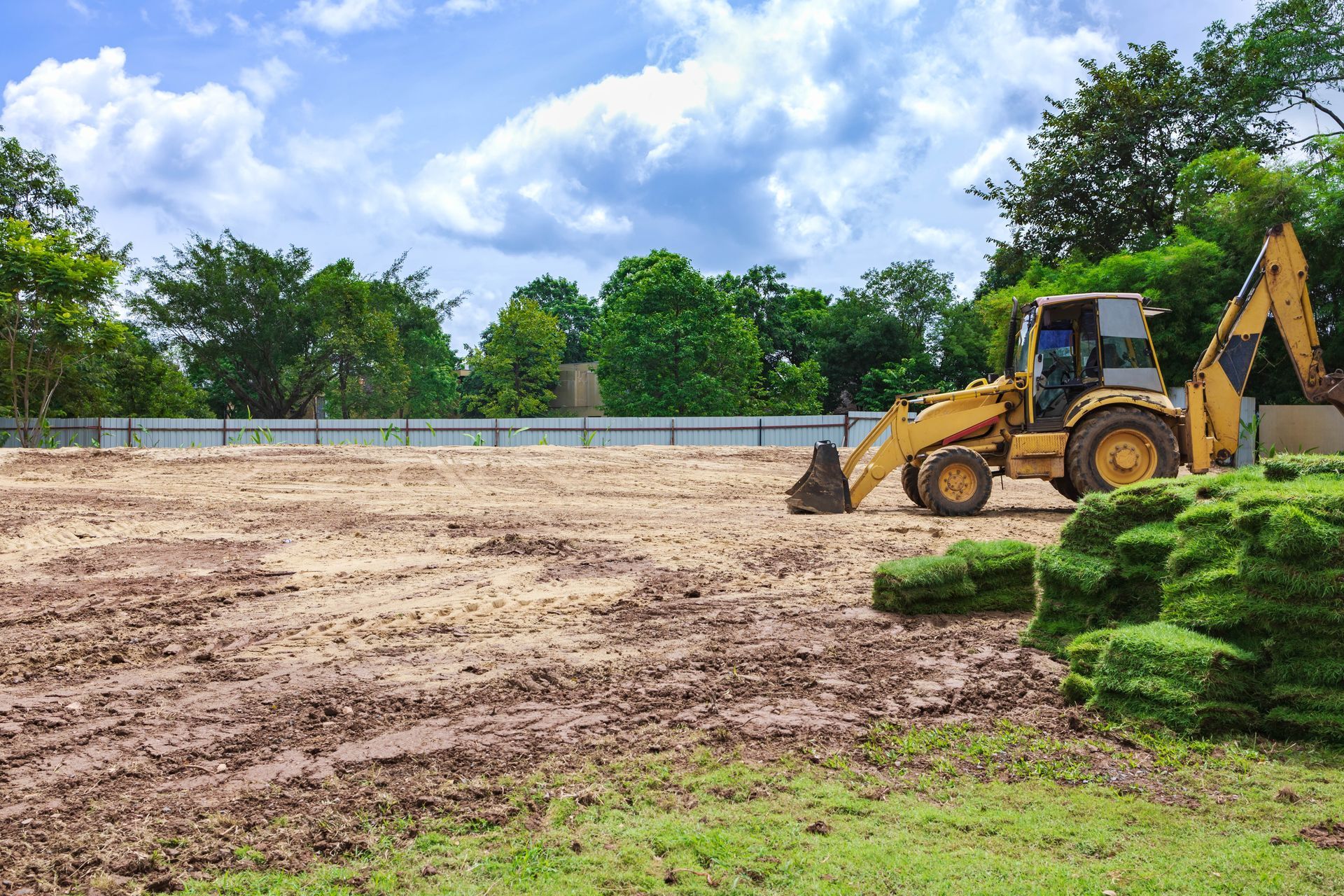
What Proper Site Preparation Requires
Clearing starts with vegetation removal using tracked equipment that minimizes soil compaction in areas where future structures will sit. Brush and small trees are cut, root systems are extracted with hydraulic tools, and stumps are ground below grade or removed entirely depending on what the site plan requires. Material is separated on-site so organic debris can be hauled to composting facilities and concrete or metal can be processed as scrap.
Once vegetation is removed, the property reveals its actual grade, drainage flow, and subsurface obstructions like old septic systems or buried slabs. You'll see clear sight lines across the entire parcel, access paths for heavy equipment, and exposed soil that shows compaction levels and moisture retention. Big Tex Steel stages debris in designated areas so ongoing construction work proceeds without navigating piles of cleared material.
Demolition of standing structures includes disconnecting utilities, removing hazardous materials like asbestos siding or treated lumber, and breaking down buildings in sections that prevent debris scatter. Foundations are broken into transportable pieces, and rebar is separated from concrete to reduce landfill volume.
Questions Before Starting Your Project
Property owners preparing lots for development or clearing overgrown acreage often ask how the process unfolds and what factors affect the scope of work.
What happens to the debris after clearing?
Organic material like brush and timber is hauled to composting or mulching facilities, while concrete, metal, and non-organic waste is transported to recycling centers or landfills depending on material type.
How does clearing affect drainage on the property?
Removing vegetation changes how water moves across the surface, so the clearing plan accounts for existing drainage patterns and preserves natural flow paths that prevent erosion once construction starts.
When is the best time to schedule land clearing in Lake Jackson?
Scheduling during drier months reduces soil compaction from heavy equipment and allows faster debris hauling, though clearing can proceed year-round if the site remains accessible.
What determines whether stumps are ground or extracted?
Stumps in areas designated for structures, driveways, or utilities are fully extracted to prevent future settling, while stumps outside the build zone can be ground below grade to allow topsoil placement.
How is demolition debris separated on-site?
Concrete is broken and stacked separately from metal framing, treated lumber is isolated due to disposal restrictions, and clean wood is separated for potential recycling or reuse.
Big Tex Steel coordinates clearing and demolition timelines with your construction schedule so grading and utility installation can begin immediately after debris removal. Request a property assessment to outline clearing phases and debris hauling logistics.