Trailers Built for Actual Hauling Demands
Custom Trailers and Fabrication in Lake Jackson for heavy-duty applications requiring purpose-built designs instead of adapted stock trailers
Stock trailers fail when load types don't match original design assumptions—sidewalls buckle under concentrated weight, axles misalign when uneven loads create torsional stress, and tie-down points pull loose because they weren't engineered for the forces your specific cargo creates. Big Tex Steel builds custom trailers in Lake Jackson and Brazoria County using certified welding and structural steel expertise, creating hauling solutions designed around your actual load dimensions, weight distribution, and usage patterns rather than forcing your needs into generic configurations.
Custom trailer fabrication starts with understanding what you're hauling and how often—equipment trailers need reinforced decks and ramp systems rated for machinery weight, livestock trailers require ventilation and gate configurations that facilitate safe loading, and utility trailers benefit from removable side panels or adjustable tie-down positions. Frame design, axle spacing, and tongue length calculations determine how the loaded trailer handles during transport, affecting stability, tongue weight, and turning radius.
Schedule a consultation to review load requirements and determine trailer specifications for your hauling application.
Why Tailored Designs Work for Specific Applications
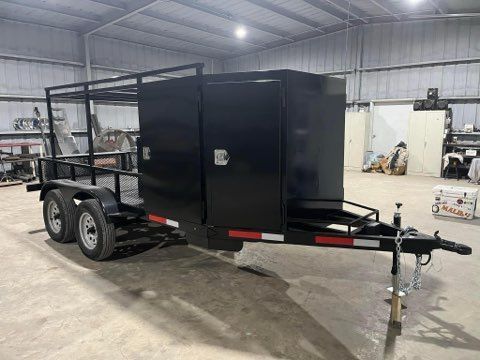
Trailer construction involves more than welding a deck to an axle assembly—proper design distributes load weight to achieve balanced tongue weight without overloading the tow vehicle, positions axles to minimize tire scrub during turns, and incorporates braking systems when gross weight exceeds safe limits for surge brakes alone. Decking material selection depends on what you're hauling: expanded metal provides drainage and traction for wet loads, solid plate decking supports concentrated point loads from machinery, and treated wood offers lighter weight for applications where corrosion from transported materials isn't a concern.
Once your custom trailer enters service, you'll notice it handles differently than stock units because weight distribution was calculated for your typical loads rather than generic assumptions. The trailer tracks straight without sway because tongue length and axle position create appropriate weight bias, tie-down points remain secure under tension because mounting plates were sized for actual strap loads, and gate mechanisms operate smoothly because hinge placement and latch design account for the specific gate dimensions needed for your cargo.
Agricultural users often need specialized features like adjustable partitions for livestock sorting, integrated toolboxes for field repairs, or removable stake pockets that convert between flatbed and sided configurations. Commercial applications may require DOT-compliant lighting, heavier axle ratings for continuous highway use, or corrosion-resistant materials when hauling chemicals or fertilizers that accelerate metal degradation.
Answers to Frequent Service Questions
Customers planning custom trailer builds typically want to understand how design choices affect durability, legal compliance, and whether customization actually delivers value compared to modifying existing trailers.
What makes custom fabrication worth the investment over stock trailers?
Custom builds eliminate compromises—you get exact dimensions for your cargo, structural reinforcement where your loads create stress, and features that streamline your specific loading process rather than working around limitations of mass-produced designs.
How do axle configurations affect trailer performance?
Single-axle trailers offer lighter weight and tighter turning radius but create higher tire loads and rougher ride quality, while tandem axles distribute weight across more tires for smoother towing and better stability with heavy or unbalanced loads.
When does a trailer build require engineering calculations?
Trailers exceeding certain weight thresholds or used commercially often need stamped engineering to verify frame strength, axle capacity, and brake system adequacy, particularly in Lake Jackson when the trailer will operate under Texas commercial vehicle regulations.
Why does material selection vary between trailer applications?
Trailers hauling corrosive materials like fertilizers or marine equipment benefit from galvanized or aluminum construction, while standard equipment trailers use structural steel with protective coatings that balance cost against adequate corrosion resistance for typical road exposure.
What ongoing maintenance should custom trailer owners expect?
Wheel bearings need repacking annually or based on mileage, brake systems require adjustment and inspection before heavy use seasons, and weld joints should be checked periodically for cracks that can develop from vibration and cyclic loading.
Big Tex Steel fabricates trailers suited to commercial, agricultural, and personal hauling applications using the same structural welding standards applied to commercial construction projects. Call (737) 247-1099 to discuss custom trailer design for your specific hauling needs.